Blockchain vs. Traditional Certificates: What You Need to Know
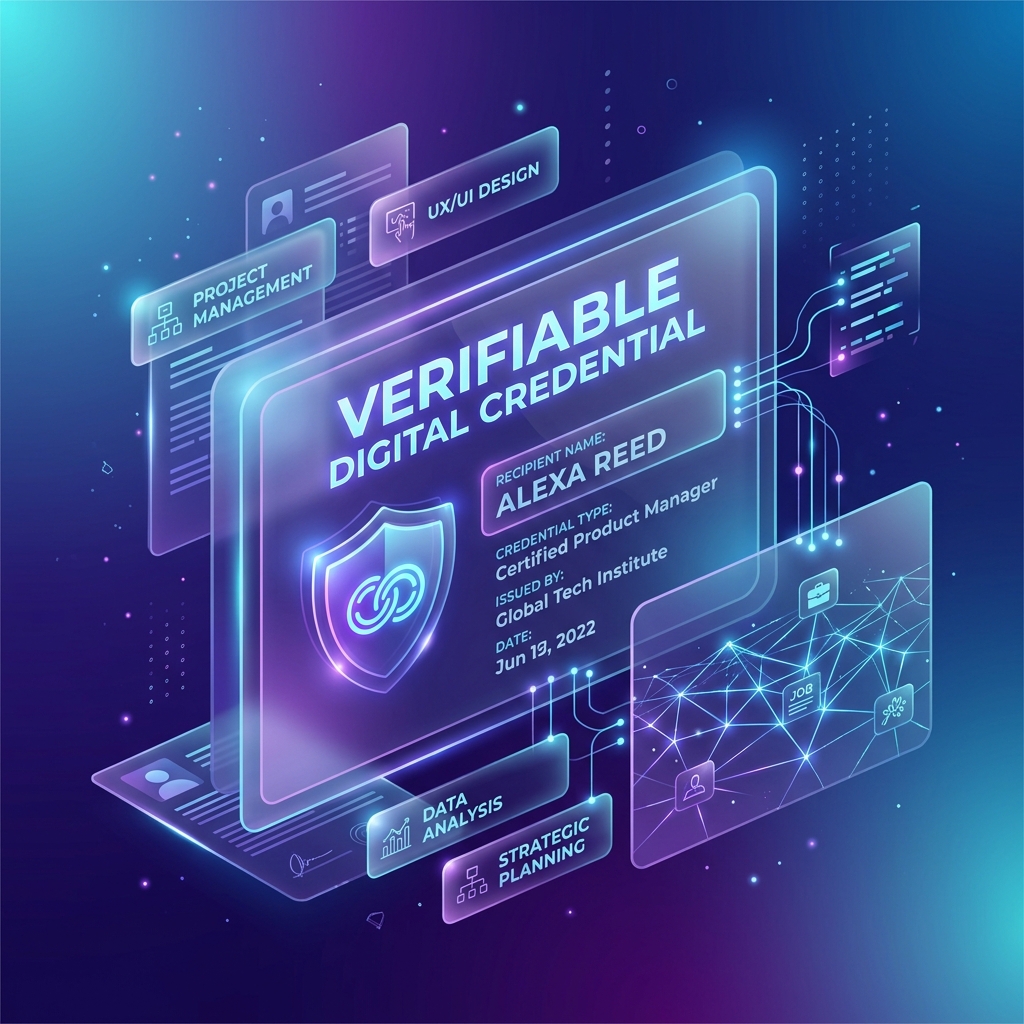
A deep dive into why blockchain-backed digital certificates offer superior security, portability, and trust compared to traditional paper credentials.
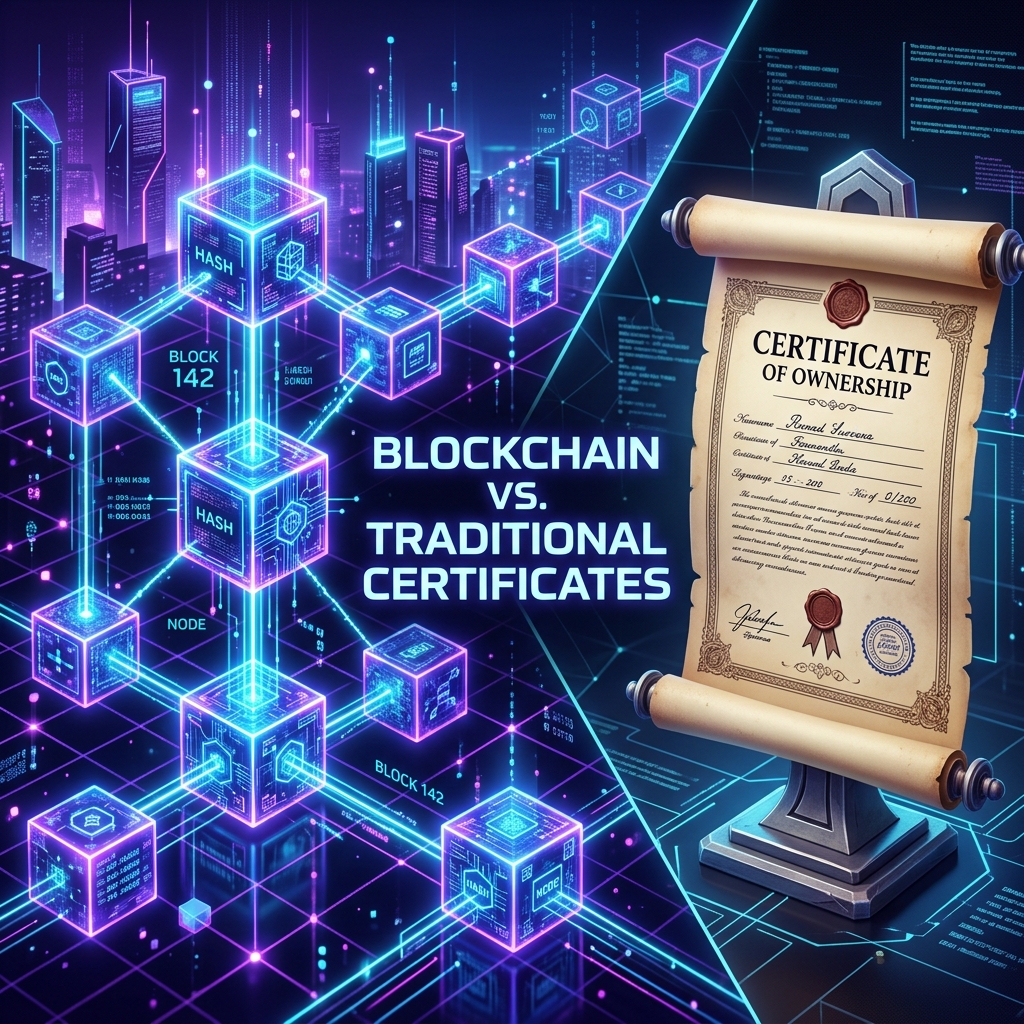
For centuries, a piece of paper with a signature and a wax seal was the gold standard for proving educational and professional achievements. In the digital age, however, traditional certificates are increasingly vulnerable to forgery and difficult to verify. The solution? Blockchain-backed digital certificates.
The Vulnerability of Paper and PDFs
Traditional certificates, whether physical paper or standard PDFs, share a common flaw: they are easily forged. A quick search online reveals numerous services offering fake diplomas and certifications. Even when a certificate is genuine, verifying its authenticity requires contacting the issuing institution, a process that is slow and inefficient.
The Blockchain Advantage
Blockchain technology offers a paradigm shift in how we issue and verify credentials. By recording a cryptographic hash of a certificate on a public or consortium blockchain, issuers create an immutable, timestamped record of the credential.
Key Benefits:
- Immutability: Once recorded on the blockchain, the record cannot be altered or deleted, ensuring the credential's integrity.
- Instant Verification: Anyone can verify the authenticity of a blockchain certificate instantly, without needing to contact the issuer.
- Recipient Ownership: Earners have full control over their credentials, storing them in digital wallets and sharing them securely.
- Revocation: Issuers can cryptographically revoke a certificate if necessary, and the blockchain will reflect this change immediately.
Conclusion
While traditional certificates hold sentimental value, they are no longer sufficient for the rigorous demands of the modern workforce. Blockchain-backed digital certificates offer the security, portability, and trust required to navigate the future of learning and employment.