The Evolution of Open Badges in Education
From gamified rewards to rigorous proof of competency, explore the history and future of Open Badges in the educational sector.

The concept of digital badges isn't new, but its application in education has undergone a radical transformation. What started as a simple gamification tactic has evolved into a robust standard for recognizing and verifying skills: the Open Badges standard.
The Early Days: Gamification
Initially, digital badges in education were largely used for motivation. Similar to achievements in video games, students would earn badges for completing modules, participating in discussions, or reaching specific milestones. While effective for engagement, these early badges lacked portability and rigorous verification.
The Birth of the Open Badges Standard
Recognizing the need for a standardized approach, the Mozilla Foundation, alongside the MacArthur Foundation, introduced the Open Badges standard in 2011. This standard ensured that digital badges contained verifiable metadata—information about the issuer, the recipient, the criteria for earning the badge, and the evidence supporting it.
Today: Proof of Competency
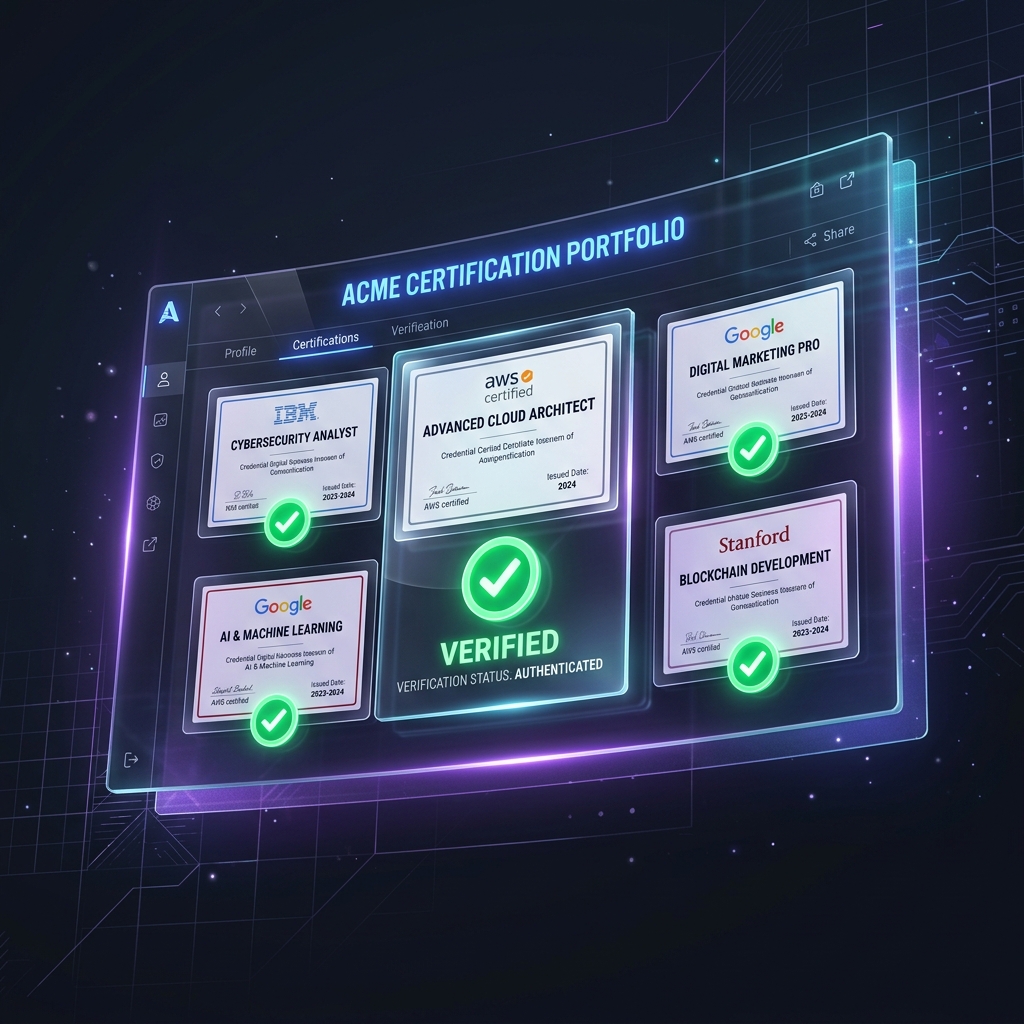
Today, Open Badges are a critical component of the modern credentialing ecosystem. Universities, bootcamps, and corporate training programs use them to issue micro-credentials that represent specific, demonstrable skills. Because they are standardized, earners can collect badges from multiple issuers and display them in a single digital portfolio.
The Future
As the standard evolves (now managed by 1EdTech), we are seeing integration with blockchain technology and verifiable credentials, making Open Badges even more secure and universally accepted. The evolution from simple icons to cryptographically secure proof of competency is reshaping how we value and verify learning.